

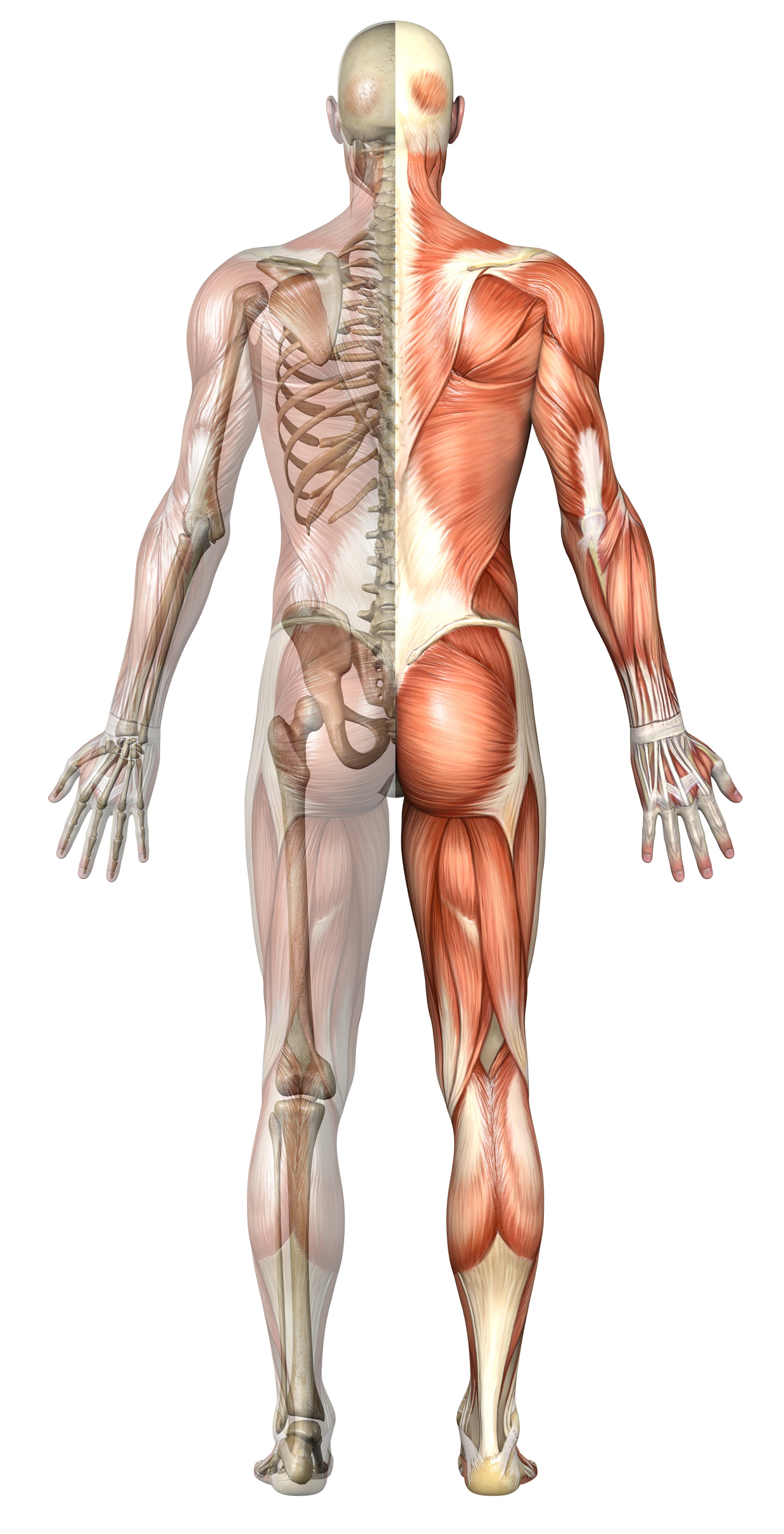
Your body is made up of bones and a large variety of soft tissues that range from thin gladwrap to thick leather belts, from small elastic bands to thick not very flexible ropes. The bones part are bones, all the rest are called fascia.
Chiropractic is very much focussed on the integrity of your spinal bones. Chiropractic adjustments correct misalignments and/or stuck spinal joints so that the nerves that enter and exit the spine are free from interference or irritation. Most people see Chiropractors to maintain this very important structure or to reduce pain – both of which Chiropractors treat very successfully.
Fascia provides the environment for which the spinal bones sit. I liken this to bones sitting in a spiders web where the spinal joints are held in place and maintain their ability to move. However, if there is tension on one corner of the web the whole web is affected and the bones are under greater tension leading to problems indicated by pain, headaches, stiffness, reduced movement, and potentially much more (dizzyness, fatigue, vertigo, tinnitus).
Fascia as a System
Fascia envelopes the body under the skin. It surrounds every muscle and groups of muscles into separate layers that slide and glide over each other. Muscles provide the human body the ability to move by shortening and expanding back to it’s original shape. Fascia plays the vital role of allowing muscles to slide and glide over each other AND helps distribute the force created by muscular activity. Seventy percent of this force is distributed through tendons and the other thirty percent distributed through myofascial expansions (where muscle fibres connect to their coverings).
The Importance of Fascia
The fascia system organises the body into groups of muscles that perform certain tasks, such as hands and arms using tools or legs involved in running, jumping, or walking. The fascia tissues provides the framework from which joints, organs, blood vessels, and nerves can be supported as they play their role. If fascia tissues are unable to support the movement of the body – pain and soreness will occur.
Five causes of problems with fascia tissues:
- Old or new injuries.
- Repetitive movements – including poor posture over time.
- Chronic dehydration – reducing the slide and glide function.
- Poor diets – increasing inflammatory factors in the tissues.
- Stress – fascia tissues are impacted by hormonal balances including the stress hormone cortisol.
Balancing Fascia and Spinal Function
Fascia manipulation is a technique for locating where fascia tissues have become densified and then restoring the proper slide and glide to limbs or trunk of the body. Instant improvements of body function are noticeable however it often takes 8-12 appointments to reach stability (stability being a stage in your care where the problem doesn’t return shortly after treatment stops).
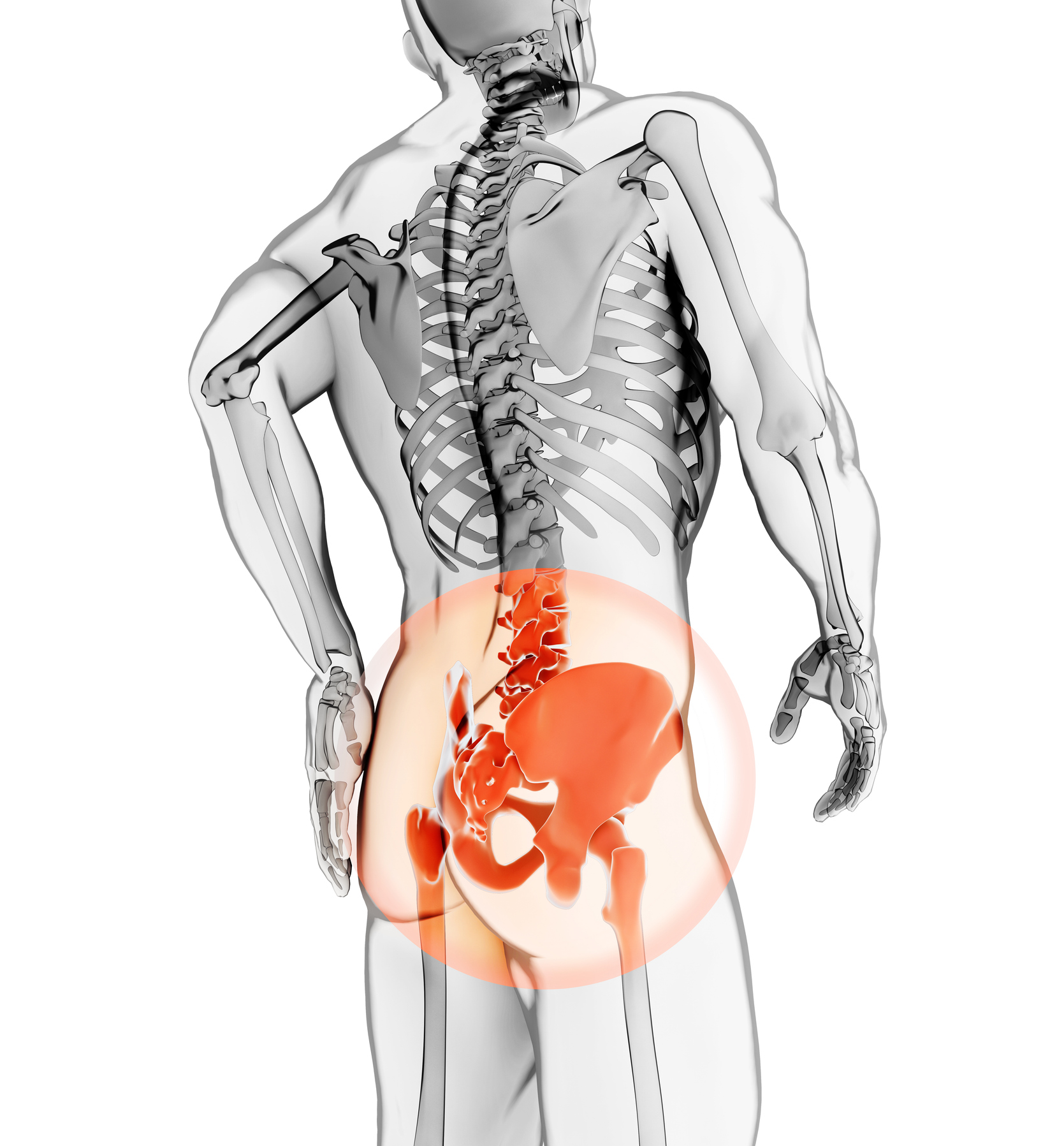
Chiropractic adjustments will correct the functioning of your spine allowing the body to return to it’s optimum function. For example, structural correction of a misaligned pelvis or vertebrae will greatly enhance the balancing of the fascia tissues from old injuries or repetitive movement patterns – read poor posture.
The Body Brain Connection
Fascia is not simply a covering over muscles and organs, it also has many many nerves that communicate the internal workings of your body. These messages are communicated through the spine to the brain where executive decisions are made. Tension in the fascia tissues can express itself as fatigue, sensitivity, or low grade pain symptoms. Hence, when the fascia tissues are under strain, dehydrated, or emotionally stressed (via cortisol) then you will feel symptoms from a lack of slide and glide function as well as increased irritation from a much higher state of tissue sensitivity. Symptoms of poor fascia tissue function can be pain, stiffness, loss of movement, headaches, or loss of balance.
To enjoy healthy fascia tissues you need to ensure it is sliding and gliding well through movement AND keep the body hydrated with good nutrition to achieve maximum results. Seeing a health professional who is trained in fascia techniques and structural spinal adjustments achieves fantastic results due to the combination of both specialities – read below.